
Previous Articles
- Eviction Inspections of Unit 8/8/2025
- HUD's Latest Guidance on Discriminatory Practices in Rental Housing 5/31/2024
- 2024 Legislative Update 3/28/2024
- Corporate Transparency Act 2/28/2024
- E-Bike Rules and Regulations to Protect Landlords 3/10/2023
- Security Systems 2/15/2023
- 2022 Legislative Update 3/22/2022
- Music Licensing at Apartment Communities 11/19/2021
- CDC Eviction Moratorium Overturned 8/27/2021
- CDC Eviction Moratorium Extended AGAIN 8/4/2021
- CDC Eviction Moratorium Expiration 8/3/2021
- Flags, Posters, and Signs 7/5/2021
- CDC Eviction Moratorium Extended 6/25/2021
- Fair Housing Testing 6/18/2021
- Unemployment Benefits & Source of Income 4/29/2021
- Changes regarding Utah Pay or Vacate Notices due to CDC Rule 4/23/2021
- Rental Expenses Disclosure and Late Fee Cap 4/23/2021
- New Housing Assistance Portal 2/25/2021
- Government Rental Assistance Update 1/28/2021
- Updates: LHAP Program, CDC Moratorium, and CARES Act 1/6/2021
- Recent Media Coverage 12/14/2020
- Latest LHAP and COVID Updates 11/17/2020
- Updates - Annual Legal Seminar, Landlord Housing Assistance Program 10/15/2020
- What you need to know about the CDC Eviction Ban 9/2/2020
- Understanding CARES Eviction Processes and Procedures 8/31/2020
- To CARES Act Communities - New Procedures For 30 Day CARES Notice 8/17/2020
- Trump Executive Order on Evictions 8/10/2020
- Notification to Residents in CARES Act Communities RE: Evictions and Late Fees 7/29/2020
- HEALS Act and Eviction Moratorium 7/28/2020
- Is your property covered by the CARES Act? 7/20/2020
- New 2020 laws in effect for Utah housing providers 6/18/2020
- New Utah 3 Day Pay or Vacate Law 5/7/2020
- Rent Deferral Agreement Extension 4/29/2020
- Opening Up Amenities 4/29/2020
- Stimulus Money - Suggested Tenant Communication 4/17/2020
- What CAN I do now with residents who haven't paid? 4/13/2020
- Suspension of Pay or Vacate Evictions in Utah 4/1/2020
- COVID-19, APRIL RENT, EVICTIONS, END OF THE WORLD AS WE KNOW IT 3/31/2020
- Rent Deferment in Response to the Coronavirus Pandemic 3/19/2020
- BYU Housing and COVID-19 3/17/2020
- Possible Delays In Evictions 3/16/2020
- New HUD Guidance on Assistance Animals 1/28/2020
- Assistance Animals Update 3/28/2019
- Rent Policy Option during a Government Shutdown 1/23/2019
- Dealing with Protective Orders 8/3/2018
- Possible Issues Affecting Ability to Evict Related to Partial Payments – Part II 2/21/2018
- Possible Issues Affecting Ability to Evict Related to Partial Payments – Part I 1/5/2018
- Section 8 Landlord Incentive Program 11/27/2017
- Part II: Notice to Terminate Lease at the End of the Initial Term – Sec. 8/Sec. 42 Resident or HUD based property 6/14/2017
- Part I: Notice to Terminate Lease at the End of the Initial Term – Market Rate Resident 5/31/2017
- Legislative Update 2017 – Changes to the Unlawful Detainer Statute 5/11/2017
- Important Things to Know About Mold 3/27/2017
- 3rd Party Requests For Tenant Information or Entry Into Unit 1/12/2017
- What to do about trespassers 11/7/2016
- Meth survey - We need your help! 8/30/2016
- Pools and common areas – Creating proper standards for conduct and attire 6/14/2016
- New HUD Guidance on Criminal History of Tenants 4/27/2016
- Bed Bugs Part III: Treatment and Prevention 4/4/2016
- Bed Bugs Part II: Separating Fact From Fiction 3/21/2016
- Bed Bugs Part 1: An Introduction 3/1/2016
- Arrests and Criminal Background Checks 2/17/2016
- Future Rent And a Landlord's Obligation to Mitigate Damages 2/2/2016
- Security Deposits - Landlord's Obligations Under Utah Law 9/16/2015
- Abandoned Personal Property 9/1/2015
- US Supreme Court affirms disparate impact claims under Fair Housing Act 6/26/2015
- Reasonable Modifications for the Disabled- Do I have to pay for it? 6/7/2015
- Dealing with a Death in a Rental Unit 6/6/2015
- Abandonment 101 - Unpaid Rent, Property In Unit - Now What? 6/4/2015
- Abandonment 101: Unpaid Rent, Empty Unit - Now What? 6/3/2015
- Tenant Victims of Domestic Violence 6/2/2015
- Requalifying Tenants upon Renewal 6/1/2015
US Supreme Court affirms disparate impact claims under Fair Housing Act
Published 6/26/2015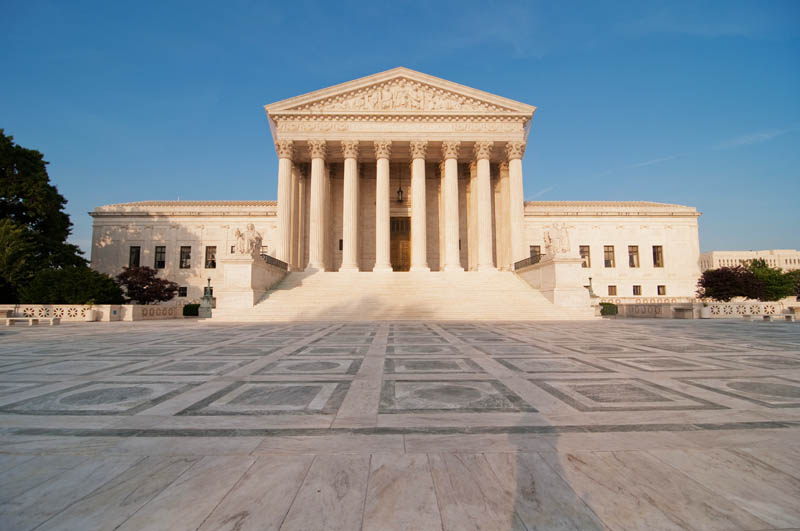
Although HUD and many courts have held that disparate impact is a valid claim under the Federal Fair Housing Act, the United States Supreme Court only this session (2015) agreed with that interpretation. In Texas Department of Housing and Community Affairs v. Inclusive Communities Project, Inc., the majority of SCOTUS upheld a lower court ruling that disparate impact was a valid claim under the Fair Housing Act.
The 5-4 decision of the Court upheld a remand to the Texas District court for a factual determination of the disparate impact claim. The case surrounded the policy on distribution of funds for low income housing. Texas was accused of violating the Fair Housing Act by awarding the tax credits in a way that kept low income housing out of white neighborhoods. Effectually, the awards of low income tax credits for housing were given to projects in areas that were predominately black and low income. The argument was that by doing so the policy had the impact of perpetuating segregation. Since most of the low income people who would qualify for the tax credit housing were black, keeping the tax credit units in black neighborhoods denied blacks the opportunity to move into areas with better schools and lower crime.
The Court stopped short of ruling that in this case there was disparate impact. In fact, the Court placed several factors that should be considered in determining disparate impact.
Landlords should review their policies and procedures to make sure that they do not have any disparate impact on protected classes. Legal Counsel should be consulted to review the impact of this decision on current operating policies and to assist in making sure that such do not violate the Fair Housing Act. Particular care should be taken to review policies regarding policies regarding acceptance of persons with a criminal history and policies on usage of facilities by children.
Sign in to read the full article
Not a client? Contacts us to get more information about becoming a client to gain access to full articles, property management forms, landlord trainings, and legal advice.
© Copyright 2026 Law Offices of Kirk A.Cullimore, LLC